Understanding the Differences: Wine Cellars vs. Wine Refrigerators
Wine enthusiasts know that proper storage is essential for preserving the quality and flavor of their prized bottles. With a wide range of options available in the market, it can be challenging to choose the right solution for your wine collection. Two of the most popular options are wine cellars and wine refrigerators. In this blog post, we will delve into the differences between these two storage solutions, helping you make an informed decision based on your unique needs.

The Fundamentals of Wine Storage:
Before we discuss the differences between wine cellars and wine refrigerators, it's crucial to understand the key factors that influence wine storage. The ideal environment for wine preservation includes:Temperature: The ideal temperature for storing most wines is between 55°F and 58°F.Humidity: A humidity level of 50%-70% helps prevent the cork from drying out and minimizes oxidation.Light: Wine should be protected from direct sunlight and UV rays, which can damage the wine's taste and color.Vibration: Minimizing vibrations ensures the wine remains undisturbed, allowing it to age properly.Ventilation: Proper air circulation prevents mold and mildew growth, preserving the wine's quality.
Wine Cellars: A Dedicated Space for Your Collection
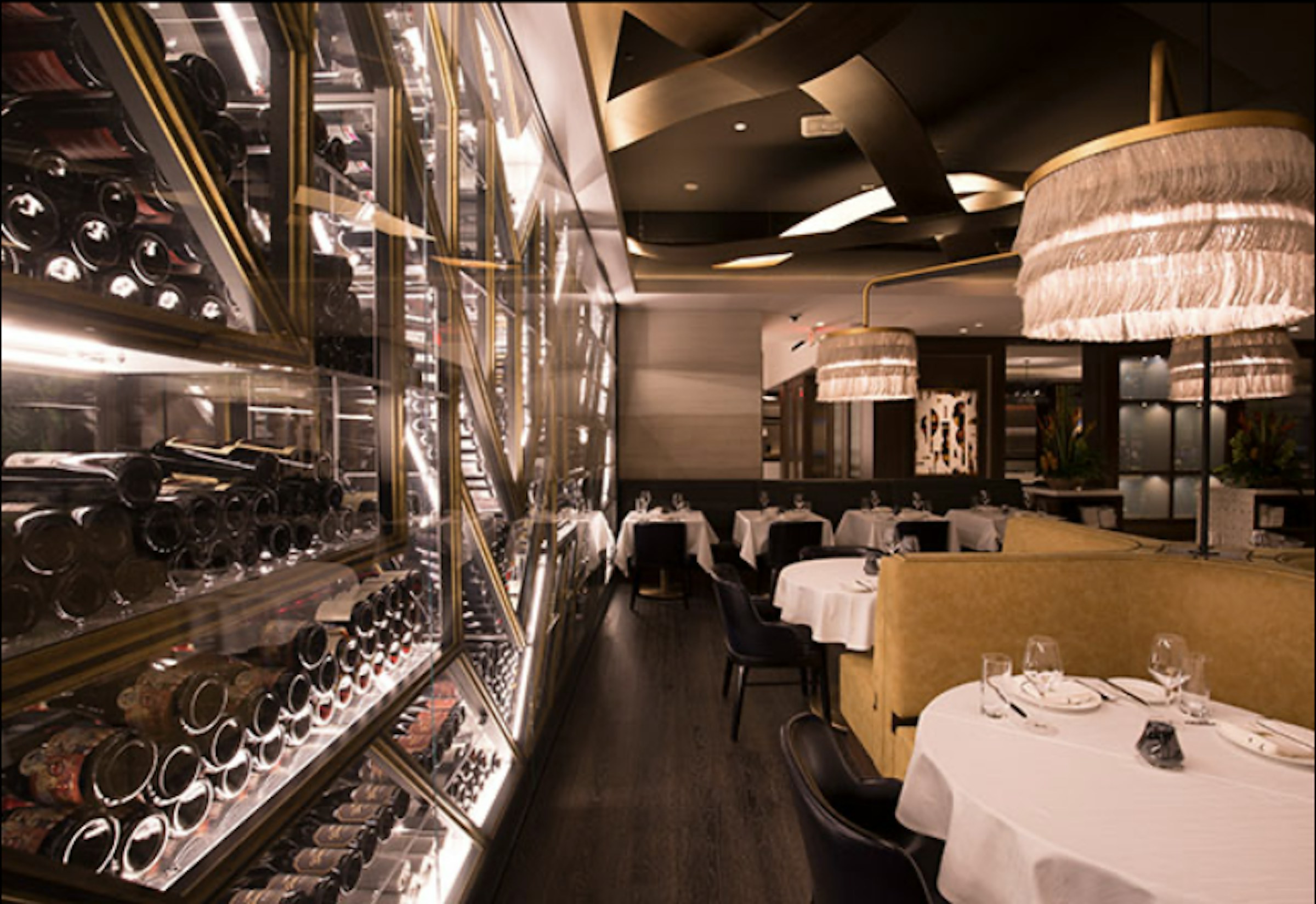
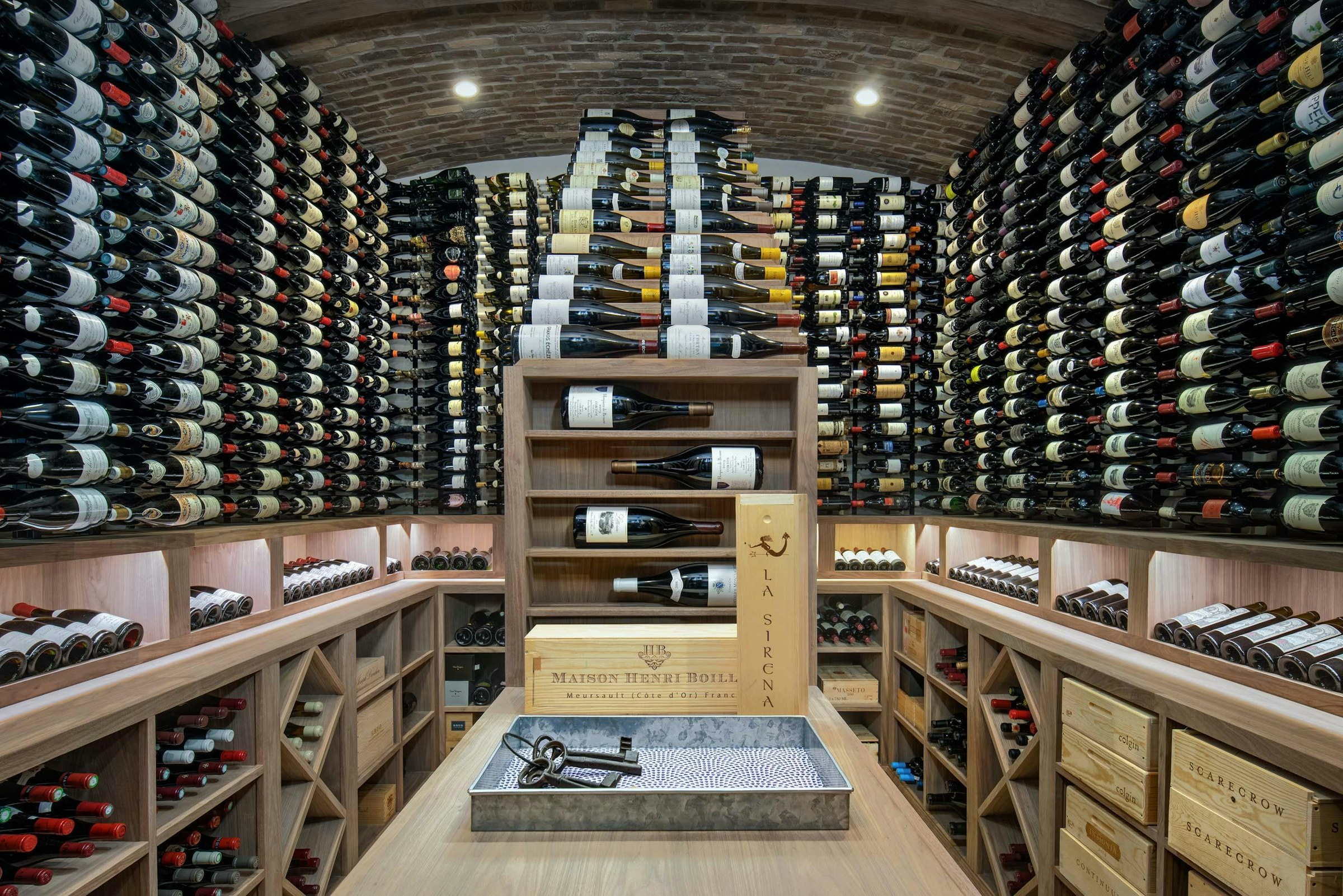
A wine cellar is a dedicated space specifically designed and built to provide the ideal environment for wine storage. Wine cellars can be custom-built to suit your requirements and preferences, offering a vast range of design and capacity options. Here are some key features of wine cellars:
- Climate Control: Wine cellars come equipped with advanced climate control systems that maintain consistent temperature and humidity levels, ensuring optimal wine preservation.
- Insulation: The construction of a wine cellar includes insulation, vapor barriers, and sealed doors, providing a stable and secure environment for your wine collection.
- Scalability: Wine cellars offer the flexibility to expand your storage capacity as your wine collection grows.
- Customization: Wine cellars allow for personalized designs and layouts, accommodating various bottle sizes and unique storage needs.
Wine Refrigerators: A Compact and Convenient Solution
Wine refrigerators, also known as wine coolers or wine fridges, are compact and convenient appliances designed to store wine at the appropriate temperature. They are suitable for smaller wine collections or for those with limited space. Key features of wine refrigerators include:
- Portability: Wine refrigerators are easy to install and relocate, making them a versatile option for wine storage.
- Size Options: Wine refrigerators come in various sizes, ranging from countertop models to larger, freestanding units.
- Accessibility: Wine refrigerators provide easy access to your collection, with some models featuring glass doors for quick viewing.
- Affordability: Wine refrigerators are generally more affordable than custom-built wine cellars, making them an attractive option for those on a budget.
Making the Right Choice for Your Collection
When deciding between a wine cellar and a wine refrigerator, consider the size of your collection, your available space, and your budget. A wine cellar is an excellent investment for serious collectors with a large and growing collection, while a wine refrigerator is ideal for casual enthusiasts or those with limited space. Whichever option you choose, ensure that it meets the essential criteria for proper wine storage, preserving your collection's quality and value for years to come.